Published: 17 October 2026 · Joint statement by organisations: 2 June 2026
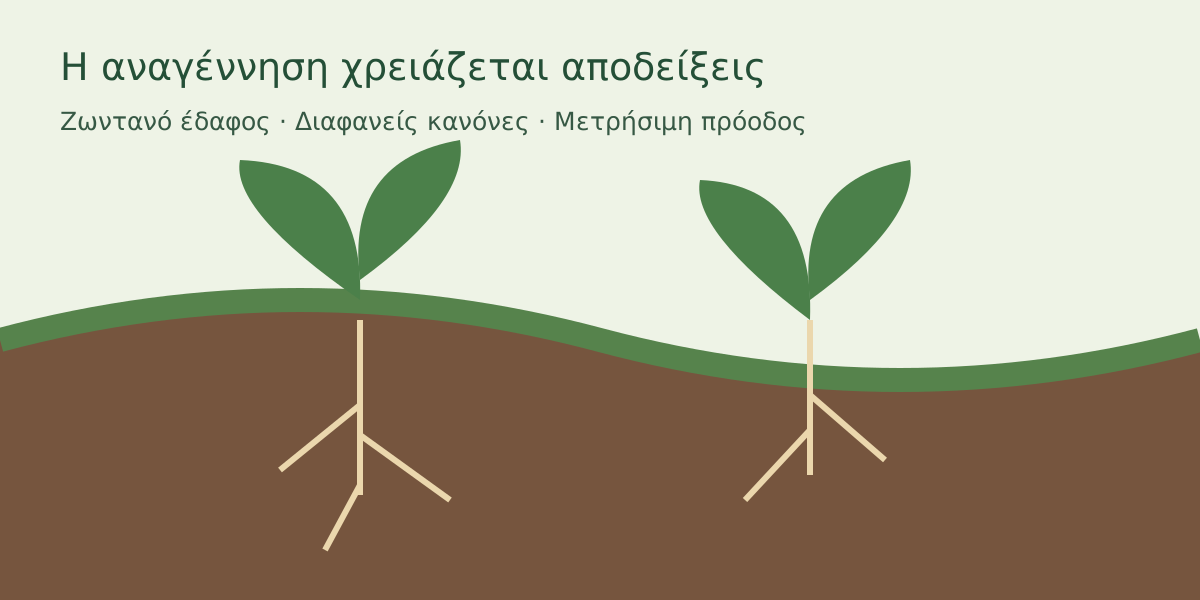
Regenerative agriculture needs transparent rules, measurable progress and living soil. An appealing word is not enough.
When packaging says “regenerative agriculture”, what exactly does it guarantee? That soil life is protected? That harmful inputs are reduced? That water infiltration improves? Or simply that the producer participates in a programme bearing that name?
On 2 June 2026, IFOAM Organics Europe and other organisations published a joint statement on misleading uses of regenerative agriculture in corporate communications and European policy. They recognise as allies serious regenerative practices grounded in the principles of organic farming and agroecology. However, they warn that vague claims can overshadow meaningful efforts and divert resources and public support. This is an evidence-based policy intervention by organisations, not a court ruling against a particular company.
The same word, different requirements
The absence of a single binding European standard leaves room for different interpretations. Private standards exist, but they do not all have the same requirements. Friends of the Earth, in an assessment of ten programmes published on 5 May 2026, identified significant differences in inputs, soil health, verification and traceability. The assessment reflects the organisation’s position based on specific criteria; it is not an official European Union ranking.
A programme that helps a conventional farmer begin the transition can be valuable. Problems arise when a label suggests that a change has already been completed when it has only just begun. It should be clear what is certified, which stage the farm has reached and which results have been verified.
Regenerative agriculture is about more than carbon
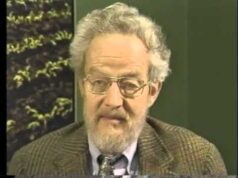
Living soil is central to our approach. The Soil Food Web School, which builds on the work of Dr Elaine Ingham, teaches the microscopic observation of soil organisms. Biological monitoring can help us understand changes and plan interventions. It does not replace measurements of carbon stocks, nor does it constitute official farm certification in its own right.
We therefore propose combining biological, physical and chemical assessments with information on inputs and the farmer’s economic resilience. A photograph of a green field does not answer these questions.
What consumers should be able to find out
Who set the rules? Who carries out independent verification? Which substances are permitted? Is there a baseline assessment and repeated measurement? Does the claim cover the whole product or only a small share of production? Can it be traced from the field to the packaging?
Organic production already has a specific legal framework. Article 30 of Regulation (EU) 2018/848protects the relevant terms for the products it covers. The word “regenerative” does not replace this obligation and does not automatically imply organic certification.
Our position is that the substance of regeneration must be protected by clearly distinguishing between a transition effort and a verified outcome. This recognises the farmer’s work and enables people to understand what they are buying.
Sources and supporting evidence
- joint statement
- assessment of ten programmes published on 5 May 2026
- Soil Food Web School
- Article 30 of Regulation (EU) 2018/848

BioEptanisa BioIonio Research Organisation
with the goal of 100% organic by 2030.